As the weather warms up in Western Sydney, snake activity increases – especially in areas like Penrith, Cranebrook, Glenmore Park, Emu Plains, St Marys, the foothills of the Blue Mountains and any suburb backing onto bushland or waterways. Unfortunately, curious pets and snakes don’t mix. At WellPet Vets, we see a spike in snake-bite emergencies every spring and summer, and quick action can mean the difference between life and death.
Here’s what every local pet owner needs to know.
Common Venomous Snakes in Our Region
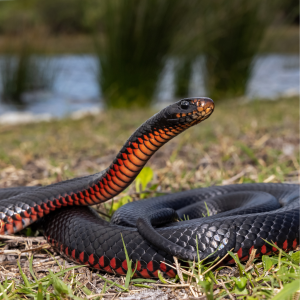 Red-Bellied Black Snake
Black snake with a red-pink belly, can grow up to 1.5m long. Often spotted near the Nepean River, wetlands, creeks, dams, and bush corridors. Known to pass through backyard in search of food and shelter.
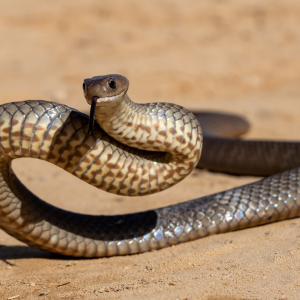 Eastern Brown Snake
An extremely venomous, fast moving snake that also aggressive when threatened or cornered. They can grow bigger then 2m in length, and are found in bushland. Known to pass through suburban backyards in search of food.
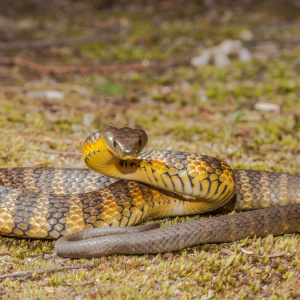 Eastern Tiger Snake
A highly venomous snake that can grow up to 1.2m long. Colour can vary from brown, olive green to black, with bands running down the entire body. It’s habitat and range from floodplains to dry areas and everywhere inbetween.
Signs Your Pet May Have Been Bitten
Snake bites don’t always show obvious puncture wounds. Pets often deteriorate rapidly, and symptoms can appear within minutes to hours. If you notice any of these signs, treat it as a medical emergency.
- Sudden weakness or collapse (sometimes followed by a short “recovery”, then collapse again)
- Hind-leg wobbliness or paralysis
- Dilated pupils
- Vomiting or excessive drooling
- Rapid or laboured breathing
- Tremors or twitching
- Bleeding from nose, mouth or bite site
- Collapse or coma in severe cases
What To Do If You Suspect a Snake Bite
Stay Calm – and keep your pet calm and still
Movement spreads venom faster.
Do NOT try to catch and/or kill the snake
It’s dangerous, illegal and unnecessary for treatment.
Carry your pet to the car if possible.
Avoid letting them walk.
Call your nearest Emergency Vet hospital on the way.
This allows our emergency team to prepare antivenom and oxygen support ahead of arrival. Nepean Animal Hospital is open 24/7 including public holidays.
Arrive as quickly and safely as possible.
Follow all road rules, and drive carefully.
How We Treat Snake Bites
Treatment depends on the type of venom, symptoms and how quickly the pet arrives. Early treatment provides the best chance of full recovery, many pets survive snake bites with prompt veterinary intervention.
Most cases involve:
- Rapid stabilisation
- Oxygen therapy
- Intravenous fluids
- Antivenom
- Blood tests to monitor clotting
- Hospitalisation for ongoing monitoring
How to Reduce the Risk in Your Yard
Snakes are naturally attracted to shelter, water, and food sources, so there are several steps you can take to make your yard less appealing. Keep grass short and gardens tidy, remove piles of timber, debris, or scrap materials, and control rodents, which are a major attractant for snakes. Supervise your pets when they’re outdoors, particularly near bushland or creek systems, and block any gaps under sheds or fences where snakes may seek shelter. Remember, snakes are protected wildlife, and relocation should only be carried out by licensed professionals.
When in Doubt, Seek Help
If you think your dog or cat may have come into contact with a snake, even if you’re not certain, don’t wait. Snake-bite symptoms can progress quickly, and delaying treatment significantly reduces the chance of survival.
The safest approach is always to have your pet assessed immediately.
WellPet Vets Emergency Care
Nepean Animal Hospital offers 24/7 emergency care for snake bites, and our Mountains Animal Hospital and St Clair Animal Hospital teams are trained to stabilise pets and provide urgent support throughout the day.
If you ever suspect a snake bite, call us straight away, we’re here to help when every minute matters.
Click Here